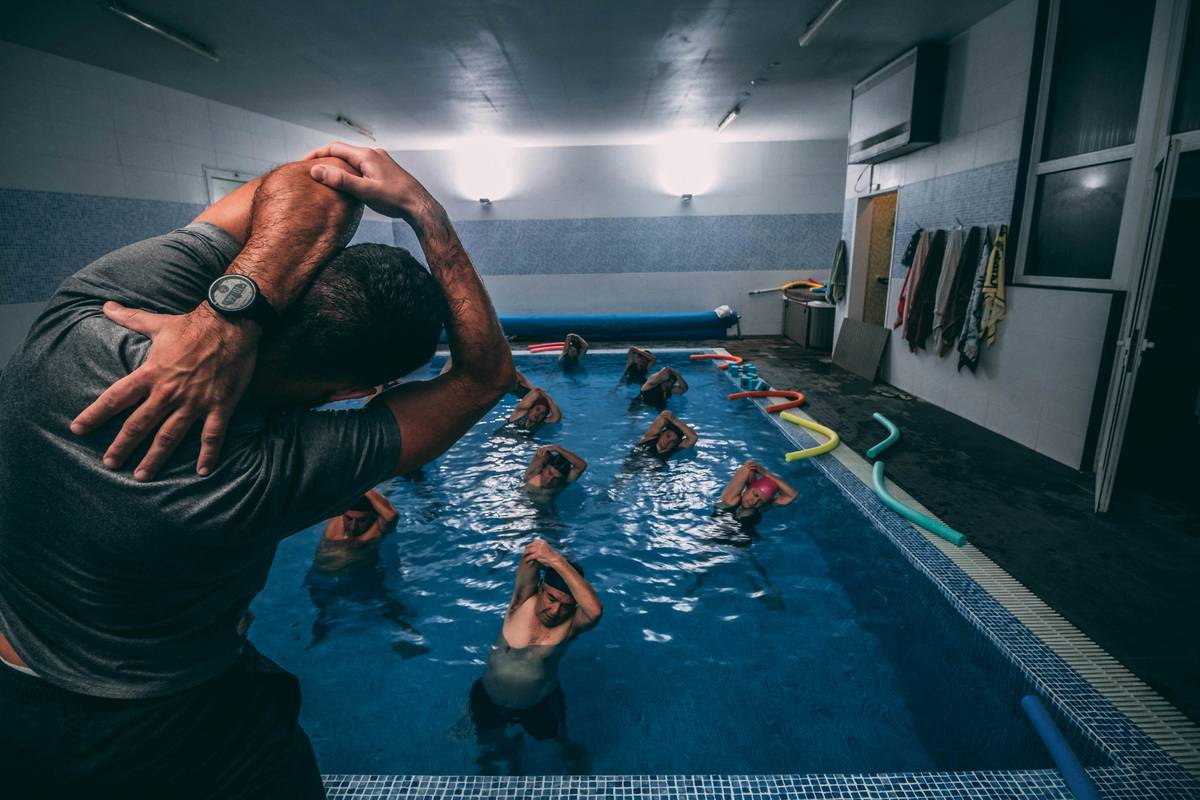
Ever tried running on a treadmill with bad knees… only to feel like you’re pounding your joints into gravel? Or spent months cutting calories, sweating through high-intensity classes, and still seeing the scale barely budge—while your energy tanks and your enthusiasm evaporates faster than a drop of water in Death Valley?
You’re not alone. Millions ditch weight-loss plans not because they lack willpower—but because the methods hurt, bore them, or simply don’t fit their bodies.
What if I told you there’s a full-body, low-impact, joint-friendly workout that burns up to 400–500 calories per hour, builds lean muscle, reduces inflammation, and feels more like play than punishment? Enter: water aerobics.
In this post, you’ll discover exactly how water aerobics fuels sustainable fat loss, who it’s perfect for (hint: it’s not just for seniors), how to start—even if you’ve never touched a pool noodle—and the one “terrible tip” fitness influencers keep pushing that could sabotage your progress.
Table of Contents
- Why Water Aerobics Is a Secret Weapon for Weight Loss
- How to Start Water Aerobics: A Step-by-Step Guide
- 6 Best Practices to Maximize Fat Burn in the Pool
- Real Results: Case Studies & Success Stories
- FAQs About Water Aerobics for Weight Loss
Key Takeaways
- Water aerobics burns 400–500+ calories/hour thanks to water’s natural resistance.
- It’s ideal for people with arthritis, obesity, joint pain, or recovering from injury.
- You don’t need to swim—most routines are done standing in chest-deep water.
- Consistency matters more than intensity; 3x/week yields visible results in 8–12 weeks.
- Pair it with modest calorie control—not extreme diets—for sustainable fat loss.
Why Water Aerobics Is a Secret Weapon for Weight Loss
Let’s clear up the biggest myth first: Water aerobics isn’t just gentle exercise for retirees. Yes, it’s low-impact—but “low-impact” doesn’t mean “low results.” In fact, the American Council on Exercise (ACE) reports that water-based cardio can elevate heart rate as effectively as land-based workouts—without the joint stress.
Here’s the science: water is 12–14 times denser than air. Every arm sweep, leg kick, or jumping jack you do in the pool forces your muscles to work harder against that resistance. Unlike weights, which isolate muscle groups, water surrounds your entire body—engaging core stabilizers, glutes, shoulders, and legs simultaneously.
Plus, the hydrostatic pressure of water improves circulation and reduces swelling—critical for people carrying extra weight, who often struggle with edema or poor venous return.
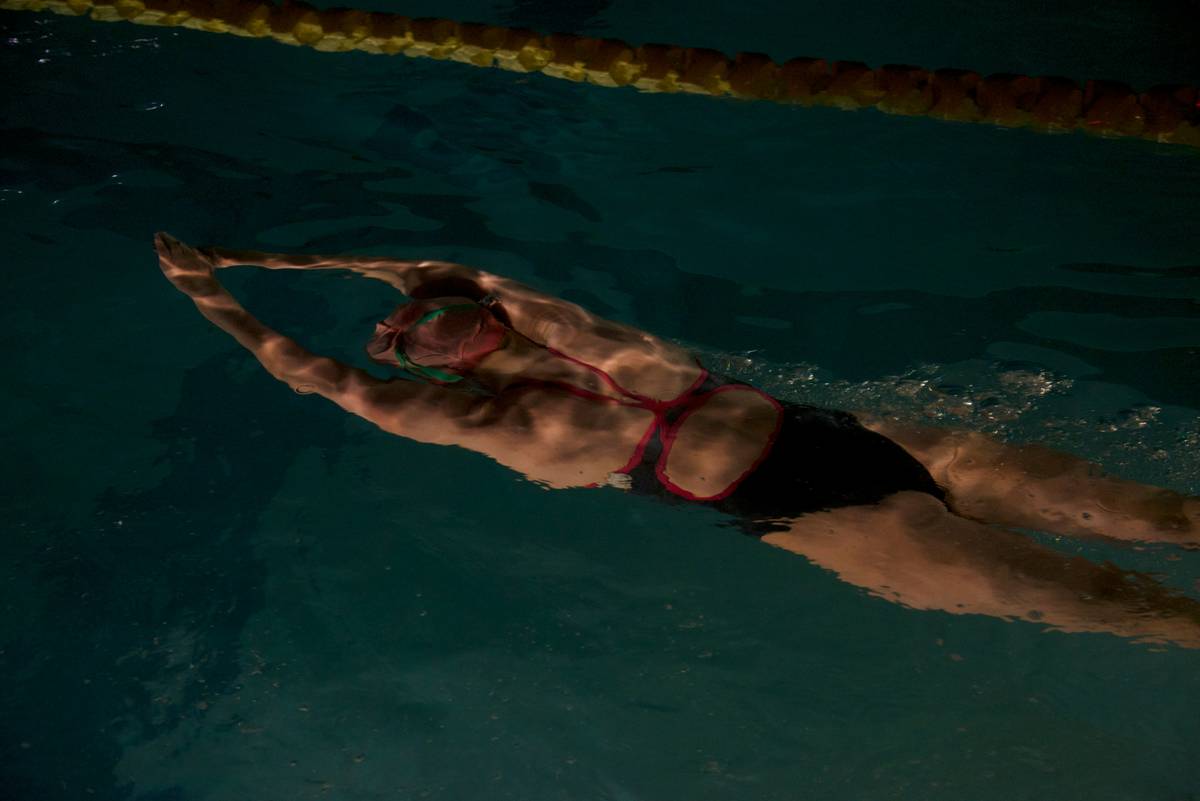
I learned this the hard way. Years ago, after knee surgery, I couldn’t run or even do squats. Frustrated and gaining weight, I reluctantly joined a “Silver Splash” class at my local YMCA—expecting slow-motion marches and nursery rhymes. Instead? We were doing tuck jumps, cross-country ski motions, and resistance paddle drills. Within 10 weeks, I lost 14 pounds and regained full knee mobility. My orthopedist was shocked.
Optimist You: “This sounds amazing!”
Grumpy You: “But I hate chlorine. And what if I sink?”
Don’t worry—you won’t sink (unless you try really hard). And most pools use balanced pH systems that won’t fry your hair or skin.
How to Start Water Aerobics: A Step-by-Step Guide
Do I need to know how to swim?
Nope! Most beginner classes are conducted in **chest-deep water** (around 3.5–4 feet). Your feet stay on the pool floor the whole time. Swimming skills aren’t required—just comfort in water.
What should I wear?
Ditch cotton—it gets heavy and chafes. Opt for:
– A snug-fitting swimsuit or athletic rash guard
– Water shoes (for traction on slippery floors)
– Optional: aqua gloves or webbed hand paddles for extra resistance
Where can I find classes?
Try:
– Local YMCAs or community centers (often $5–$10/session)
– Senior centers (yes, but open to all ages!)
– Private fitness studios with aquatic programs
– Online tutorials (YouTube channels like “Fit After 50” offer great home-pool routines)
How often should I go?
Aim for **3 sessions per week**, 45–60 minutes each. According to a 2022 study in the Journal of Aging and Physical Activity, participants who did water aerobics 3x/week for 12 weeks lost an average of 5.2% body fat—without changing their diet.
6 Best Practices to Maximize Fat Burn in the Pool
- Engage your core constantly. Don’t just flail—pull your navel toward your spine during every move to activate deep abdominal muscles.
- Add interval bursts. Alternate 1 minute of high-energy moves (jumping jacks, high knees) with 2 minutes of moderate pace. This mimics HIIT and spikes EPOC (afterburn effect).
- Use equipment wisely. Foam noodles, aqua dumbbells, or drag belts increase resistance—but start light. Overdoing it leads to shoulder strain.
- Stay hydrated. You sweat in water—you just don’t feel it. Drink 8 oz before and after class.
- Pair with protein-rich meals. Muscle repair = higher metabolism. Post-workout snack: Greek yogurt + berries or a hard-boiled egg.
- Track non-scale victories. Notice looser jeans, easier stair climbing, or better sleep? Those matter more than daily weigh-ins.
The Terrible Tip Nobody Should Follow
“Just splash around for fun—that’s enough!” Nope. While unstructured play helps, structured, rhythmic movement with intentional resistance is what drives fat loss. Random dog-paddling ≠ water aerobics. Show up with purpose.
Real Results: Case Studies & Success Stories
Sarah K., 58, Houston: Diagnosed with osteoarthritis and pre-diabetic, Sarah joined water aerobics after her doctor warned that land-based exercise could worsen joint damage. She attended 3x/week for 6 months, combined with modest carb reduction. Result: Lost 32 lbs, HbA1c dropped from 6.1 to 5.4, and she now teaches the class herself.
Marcus T., 42, Phoenix: Post-weight-loss-surgery patient needing low-impact cardio. Started water aerobics 8 weeks post-op. At 4 months: Maintained 80-lb loss, improved cardiovascular endurance (resting HR dropped from 88 to 67), and reported “zero pain during workouts.”
These aren’t anomalies. A meta-analysis in Obesity Reviews (2021) concluded that aquatic exercise significantly reduced body weight, BMI, and waist circumference in adults with obesity—especially when sustained beyond 12 weeks.
FAQs About Water Aerobics for Weight Loss
How soon will I see weight loss results?
Most people notice changes in 4–6 weeks (clothes fit better), with measurable fat loss by week 8–12—if combined with slight calorie awareness. Water aerobics alone won’t override a high-calorie diet.
Can I do water aerobics if I’m not overweight?
Absolutely! It’s excellent for toning, improving balance, and active recovery. Athletes use it for cross-training to prevent overuse injuries.
Is saltwater or chlorinated pool better?
Chlorinated pools are standard and safe. Saltwater pools may be gentler on skin but offer no metabolic advantage. Choose based on availability and comfort.
What if I don’t have access to a pool?
Look into shallow-end beach workouts (with caution for waves/sand) or invest in a small inflatable pool for basic drills—but a proper depth (3.5+ ft) is ideal for full benefits.
Does water temperature matter?
Yes. Pools kept at 83–88°F (28–31°C) optimize calorie burn without causing shivering (which diverts energy). Very cold water can raise blood pressure in sensitive individuals.
Conclusion
Water aerobics isn’t a “lesser” workout—it’s a smarter one for millions who’ve been failed by crash diets and punishing gym routines. With its unique blend of resistance, buoyancy, and joy (yes, people actually smile during class!), it delivers real, sustainable weight loss without wrecking your joints.
If you’ve been sidelined by pain, intimidated by gyms, or burned out on fad programs, give water aerobics a fair shot. Three times a week. Eight weeks minimum. Pair it with kindness to your body—and watch what unfolds.
Like a flip phone in 2007: underrated, reliable, and quietly revolutionary.