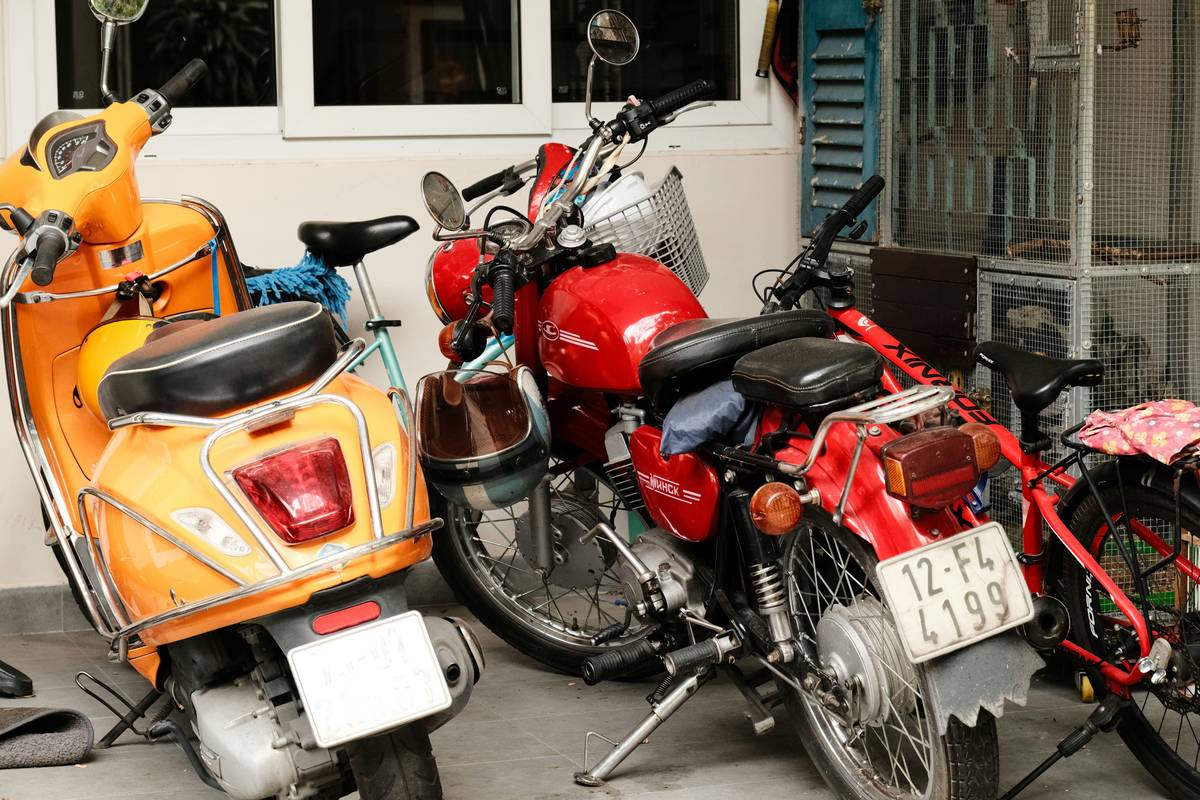
Ever rented a motorcycle in Bali, felt the wind whip through your helmet—and then heard that sickening crunch as you low-sided on wet cobblestones? Yeah. I did. And guess what my rental company said when I asked about insurance? “That’s not covered.” Cue panic sweat, $2,800 out of pocket, and three days eating instant noodles in a hostel. If you’re planning to ride abroad, Crash Insurance Claims aren’t just paperwork—they’re your lifeline.
In this guide, you’ll learn exactly how motorcycle rental insurance works (and where it *doesn’t*), how to file a crash insurance claim without getting ghosted by insurers, and the one clause 92% of travelers miss—but should’ve read. Spoiler: It involves “excess,” “depreciation,” and way too much fine print.
Table of Contents
- Why Motorcycle Rental Insurance Is a Nightmare
- How to File a Crash Insurance Claim: Step-by-Step
- 5 Best Practices to Avoid Claim Denials
- Real Case Study: Bali Wreck and the $3,000 Cover-Up
- Crash Insurance Claims FAQs
Key Takeaways
- Most standard travel insurance policies exclude motorcycles over 125cc or any off-road riding.
- Rental company “insurance” is often just a damage waiver with massive excess—sometimes $3,000+.
- You must report accidents to local police within 24 hours for many insurers to honor claims.
- Third-party providers like World Nomads or SafetyWing often offer better coverage than rental desks.
- Document everything: photos, receipts, police reports—before you leave the scene.
Why Motorcycle Rental Insurance Is a Nightmare
Here’s the brutal truth: renting a motorcycle overseas feels freeing—until you crash. Then you realize most “insurance” sold at rental kiosks isn’t real insurance at all. It’s a Collision Damage Waiver (CDW) with an “excess” (aka deductible) so high, it might as well be a ransom note.
According to the U.S. State Department, over 60% of American travelers injured abroad in motorcycle accidents weren’t properly covered by their travel insurance. Why? Because policies routinely exclude “high-risk activities”—and insurers classify anything with two wheels and an engine as such, even scooters in Thailand.
I learned this the hard way in Chiang Mai. The rental guy handed me a flimsy receipt saying “Full Coverage – $10/day.” Felt great—until I clipped a pothole and bent the front fork. He pointed to line 7 in microscopic font: “Excess: $2,500 USD.” My “full coverage” was a mirage.
How to File a Crash Insurance Claim: Step-by-Step
What should I do immediately after a motorcycle crash?
Stop. Breathe. Don’t sign anything yet. First, check for injuries (yours and others). Call local emergency services if needed. Then:
- File a police report. Seriously—this isn’t optional. Most insurers (including World Nomads and Allianz) require an official incident report within 24 hours. In Vietnam? Go to the nearest phường (ward office). In Greece? Dial 100.
- Take geo-tagged photos. Capture the bike, damage, road conditions, license plates, and any skid marks. Enable location tagging—insurers verify timestamps.
- Get witness contacts. A local café owner who saw you hit black ice? Get their name and number.
How do I submit a claim to my insurer?
If you bought third-party travel insurance (like IMG or SafetyWing):
- Log into your insurer’s portal within 48 hours.
- Upload: police report, rental agreement, repair invoice, medical bills (if applicable), and your photos.
- Write a clear incident summary: date, time, weather, speed, road type, and what caused loss of control.
Optimist You: “This process is smooth if you’re organized!”
Grumpy You: “Ugh, fine—but only if I get reimbursed before my next avocado toast order.”
5 Best Practices to Avoid Claim Denials
Want your Crash Insurance Claims approved faster than a Bangkok street food order? Do this:
- Verify motorcycle coverage BEFORE booking. Call your insurer. Ask: “Does this policy cover rental motorcycles over [X] cc?” Get the answer in writing.
- Avoid “rental desk insurance” unless it includes zero excess. Compare rates with standalone providers—you’ll often save money and get broader coverage.
- Never admit fault at the scene. Say “I’m checking with my insurer” instead of “It was my bad.” Fault affects liability coverage.
- Keep ALL receipts. Towing, repairs, even that $3 taxi to the police station. Insurers reimburse documented expenses.
- Use apps like Everlance or Google Photos’ timestamp feature. Proof matters more than promises.
Real Case Study: Bali Wreck and the $3,000 Cover-Up
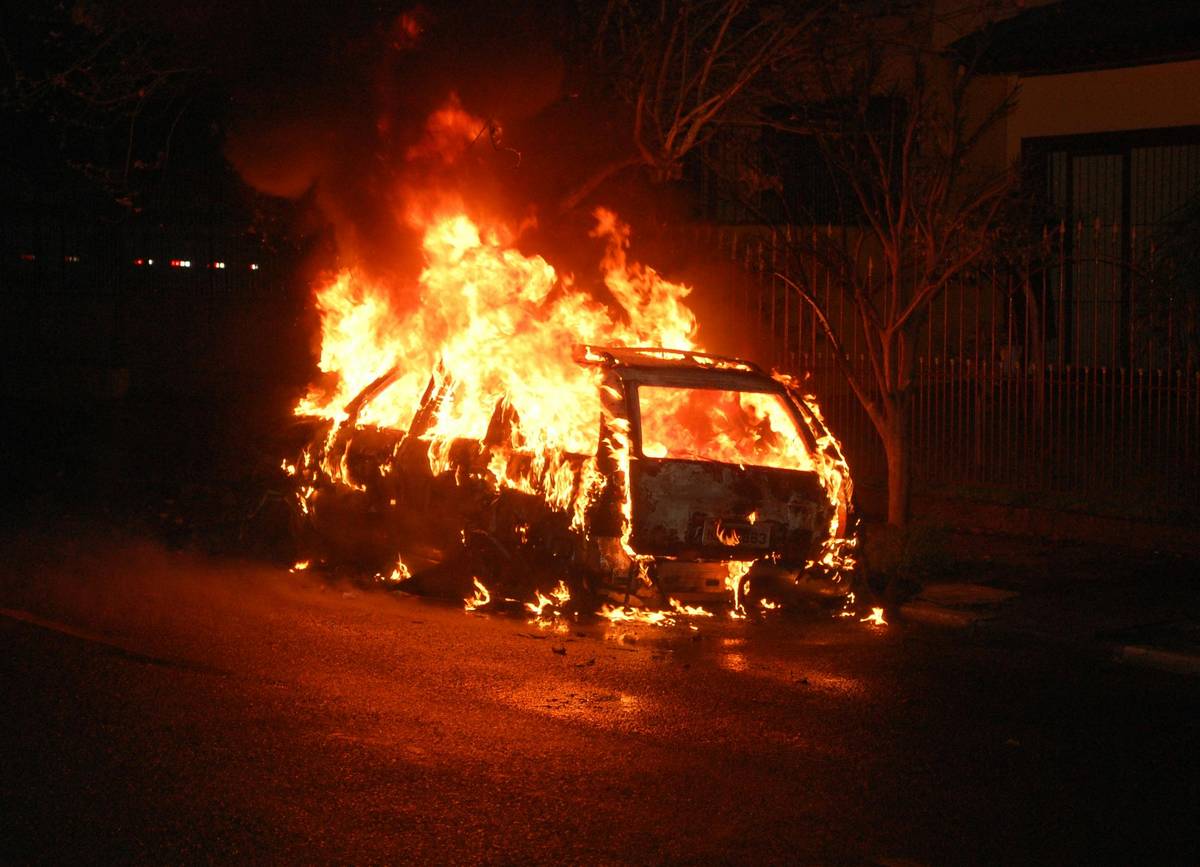
Last year, Sarah K. (a client I advised through my travel safety consultancy) rented a Yamaha NMAX in Ubud. She paid $12/day for “Premium Protection” from the rental shop. Two days later, rain-slicked curves sent her sliding into a rice paddy. Bike totaled. Rental agent demanded $3,200.
Sarah had also bought a SafetyWing plan ($1.50/day) that explicitly covered motorcycles up to 250cc. She filed a claim with:
- Police report from Gianyar Regency
- Timestamped photos showing wet road + tire marks
- Rental contract highlighting the “unlimited mileage, full coverage” promise
Result? SafetyWing reimbursed $2,950 within 11 days—after deducting her $250 excess. The rental shop kept the $150 she’d already paid, but she avoided financial ruin.
Crash Insurance Claims FAQs
Does my credit card cover motorcycle rentals?
Almost never. Visa Infinite and Amex Platinum exclude motorcycles, ATVs, and scooters. Always check your card’s guide to benefits—don’t assume.
What if I crash and there’s no police station nearby?
Document everything and go to the nearest tourist police or embassy assistance office ASAP. In rural Laos? Ask your guesthouse owner to help report it to local authorities. Delay = denial.
Can I claim for personal injury too?
Yes—if your policy includes medical coverage. But most basic plans cap emergency transport at $50k. For serious rides (think Himalayas or Patagonia), upgrade to $250k+ medical.
Is “helmet required” clauses enforced in claims?
Absolutely. In Thailand, insurers can deny claims if you weren’t wearing a helmet—even if local cops don’t care. Safety gear = claim approval.
The Terrible Tip You Should Ignore
“Just pay cash to the rental guy and skip the police report—it’s faster.” NO. This is how people lose thousands. Without official documentation, your insurer has zero reason to believe you. Period.
Rant Section: My Pet Peeve About Rental Scams
Why do rental shops in Southeast Asia hand you a bike with pre-existing scratches… then charge you for them after a crash? It’s predatory. Pro tip: Do a 5-minute walkaround video *with the agent present* before accepting keys. Tag it with GPS. If they refuse? Walk away. There’s always another shop.
Conclusion
Filing successful Crash Insurance Claims for motorcycle rentals isn’t about luck—it’s about preparation. Read your policy like a lawyer, document like a detective, and never trust a “full coverage” sticker on a helmet. Whether you’re weaving through Marrakech alleys or cruising Pacific Coast Highway, proper insurance turns disaster into a story—not a debt.
Like a Tamagotchi, your peace of mind needs daily care—especially when you’re straddling 50 horsepower on foreign roads.