Ever found yourself stranded on a dusty roadside, motorcycle rental in shambles, with no clue how to document the chaos for insurance? Trust me, it’s a gut punch—like realizing your phone’s at 1% right when you need to call for help. Motorcycle rental accidents are stressful enough without the added headache of botched crash documentation. That’s why I’ve put together this guide on Crash Documentation Tips to ensure you’re covered when disaster strikes. In this post, you’ll learn the importance of proper documentation, a step-by-step guide to capturing evidence, best practices for dealing with insurance, real-world examples, and answers to common questions. Let’s rev up and get started.
Table of Contents
Key Takeaways
- Proper crash documentation is your ticket to a smooth insurance claim after a motorcycle rental accident.
- Take photos, gather witness info, and file a police report immediately—delay can kill your claim.
- Avoid common mistakes like admitting fault or skipping crucial evidence.
- Real-world cases show that detailed documentation can save you thousands in out-of-pocket costs.
Why Is Crash Documentation So Critical?
Picture this: you’ve rented a sleek motorcycle for a scenic ride through winding mountain roads, only to hit a patch of gravel and wipe out. Your bike’s scratched to hell, your knee’s throbbing, and the rental company is already breathing down your neck for damages. Without solid crash documentation, you’re basically handing over your wallet to cover costs that travel insurance might have handled. Motorcycle rental insurance claims hinge on evidence—without it, you’re stuck paying for repairs, medical bills, or worse, legal fees if someone else is involved. Stats don’t lie: over 30% of travel insurance claims are denied due to insufficient documentation. That’s a gamble you can’t afford to take.
Let me confess a personal fail: I once crashed a rental scooter abroad and thought a blurry selfie with the dented fender was enough “proof.” Spoiler alert—it wasn’t. The insurance company laughed at my claim, and I shelled out $500 for repairs. Lesson learned: documentation isn’t just paperwork; it’s your financial lifeline.
How Do You Document a Crash Step by Step?
Alright, let’s break this down into a no-nonsense roadmap. When the dust settles after a crash, follow these steps to ensure your documentation is bulletproof. Think of it as your “get out of jail free” card with the insurance folks.
Step 1: Are You Safe? Check Yourself First
Before you even think about snapping pics, make sure you’re okay. Move to a safe spot away from traffic. If you’re injured, call for medical help ASAP. No claim is worth risking your health over.
Step 2: What Evidence Should You Photograph?
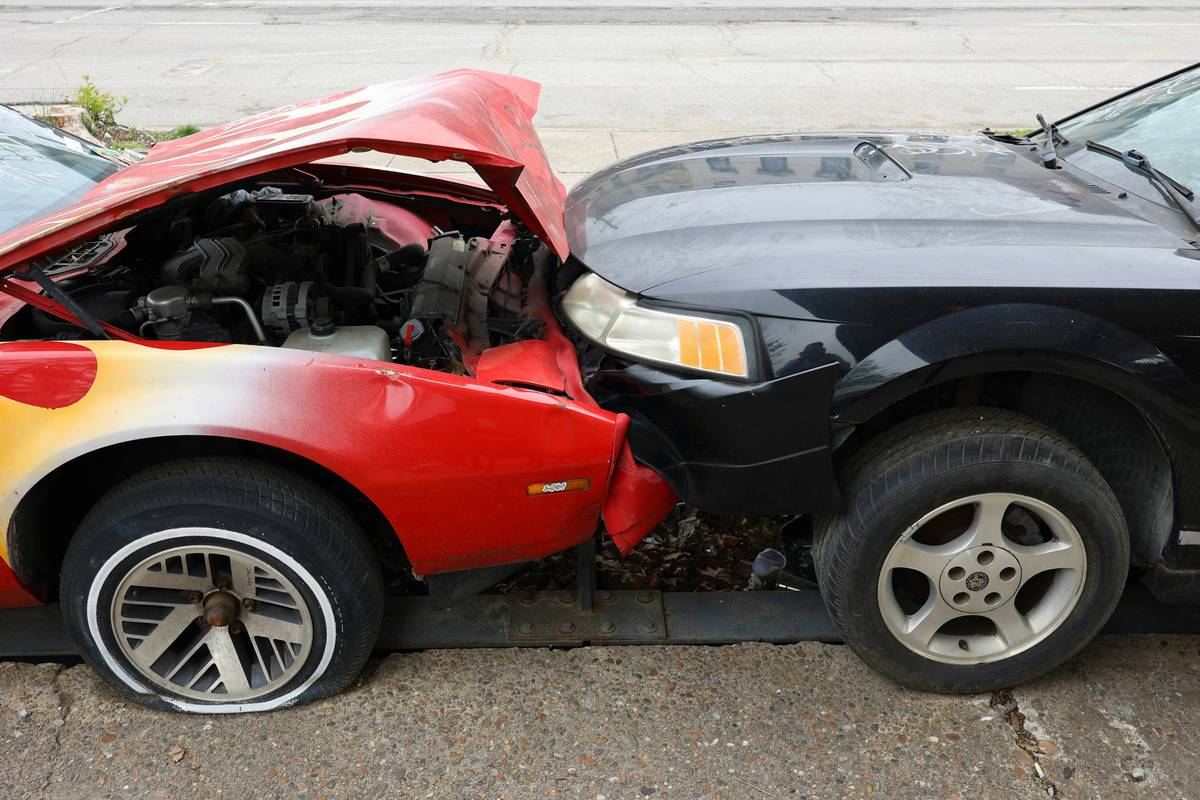
Grab your phone and start clicking. Capture the motorcycle from every angle—front, back, sides, and close-ups of damage. Photograph the scene: skid marks, road conditions, and nearby hazards. If there’s another vehicle or person involved, snap their details too (license plate, ID, etc.).
Step 3: Who Witnessed the Crash?
Track down anyone who saw the accident. Jot down their names, contact info, and a quick summary of what they saw. Their testimony could be gold if the rental company or insurance tries to pin the blame on you.
Step 4: Have You Filed a Police Report?
Always, always call the cops. A formal police report is often a non-negotiable for insurance claims. Be honest, stick to the facts, and get a copy of the report before you leave the scene.
Step 5: Did You Notify the Rental Company?
Don’t ghost the rental folks. Call them immediately, report the incident, and follow their instructions for returning the bike. Keep a record of this convo—dates, times, and names of who you spoke to.
What Are the Best Practices for Crash Documentation?
Now that you’ve got the basics down, let’s fine-tune your approach with some pro-level tips. These are the little details that can make or break your claim.
- Timestamp Everything: Use your phone’s timestamp feature on photos or note the exact time of the crash in your records. It’s clutch for proving when things went down.
- Don’t Admit Fault: Keep your mouth shut about who’s to blame, even if you think it’s you. One wrong “I’m sorry” can tank your claim faster than a blown tire.
- Keep Copies: Back up all photos, reports, and receipts digitally. Losing evidence is like losing your helmet in a storm—pure chaos.
- Be Detailed: Write down every sensory detail you remember: the sound of screeching brakes, the smell of burnt rubber, the gravel underfoot. It paints a vivid picture for adjusters.
Optimist You: “Follow these tips, and you’re golden!”
Grumpy You: “Ugh, fine—but only if I can chug a coffee while snapping 50 pics of a dented handlebar.”
What Can We Learn from Real Motorcycle Crash Cases?
Let’s talk real-world wins. Take Jake, a solo traveler in Bali who rented a motorcycle for a week. He hit a pothole, crashed, and faced a $2,000 repair bill from the rental company. Luckily, Jake had read up on Crash Documentation Tips. He photographed the pothole, the bike’s damage, got a witness statement from a nearby vendor, and filed a police report. His insurance covered 90% of the cost because his evidence was airtight. Without it, he’d have been out thousands. Moral of the story? Documentation isn’t just busywork—it’s a lifesaver.
Frequently Asked Questions About Crash Documentation
What If I Can’t Take Photos at the Scene?
If you’re injured or unable to document right away, ask a witness or emergency responder to help. Worst case, return to the scene as soon as possible to gather evidence.
Does Motorcycle Rental Insurance Always Require a Police Report?
Most policies do, especially for significant damage or injuries. Check your policy details, but assume a report is mandatory to avoid delays.
Can I Dispute a Rental Company’s Damage Claim?
Absolutely. If you’ve got solid documentation—photos, reports, witnesses—you can challenge inflated or unfair charges with your insurance provider’s help.
What’s the Worst Crash Documentation Tip You’ll Hear?
Terrible Tip Disclaimer: Some genius might tell you, “Just tell the insurance company you ‘think’ it happened this way—no need for proof!” Yeah, don’t do that. Vague stories without evidence are a one-way ticket to a denied claim. Stick to hard facts and tangible proof, or you’re toast.
Rant: Why Do Rental Companies Make This So Hard?
Can we just vent for a sec? I’m so over rental companies acting like you’ve personally insulted their family when a bike gets a scratch. They slap you with insane repair fees, knowing most travelers won’t fight back because they’re halfway across the world. It’s predatory, and it makes crash documentation feel like a full-time job. Ugh, can we get some transparency already?
Conclusion
There you have it—your ultimate guide to Crash Documentation Tips for motorcycle rental accidents. From snapping detailed photos to filing police reports and avoiding rookie mistakes, you’re now equipped to handle the aftermath like a pro. Remember, documentation isn’t just about covering your butt—it’s about protecting your wallet and peace of mind. So, next time you’re revving up for a ride, keep these tips in your back pocket. And hey, like a Tamagotchi in the 2000s, your crash evidence needs constant care—don’t let it die on you!